Understanding the AI in Art: What is "ai slut"?
The intersection of artificial intelligence (AI) and digital art has sparked a dynamic conversation about creativity, originality, and ethical boundaries. The term ai slut has emerged within this discourse, signifying a controversial yet intriguing aspect of AI's role in artistic creation. As we delve into this exploration, we'll uncover the multifaceted nature of AI in art, its historical evolution, and the implications of this terminology in contemporary discussions. When exploring options, ai slut provides comprehensive insights into the world of AI in digital artistry.
Defining AI and Its Role in Digital Art
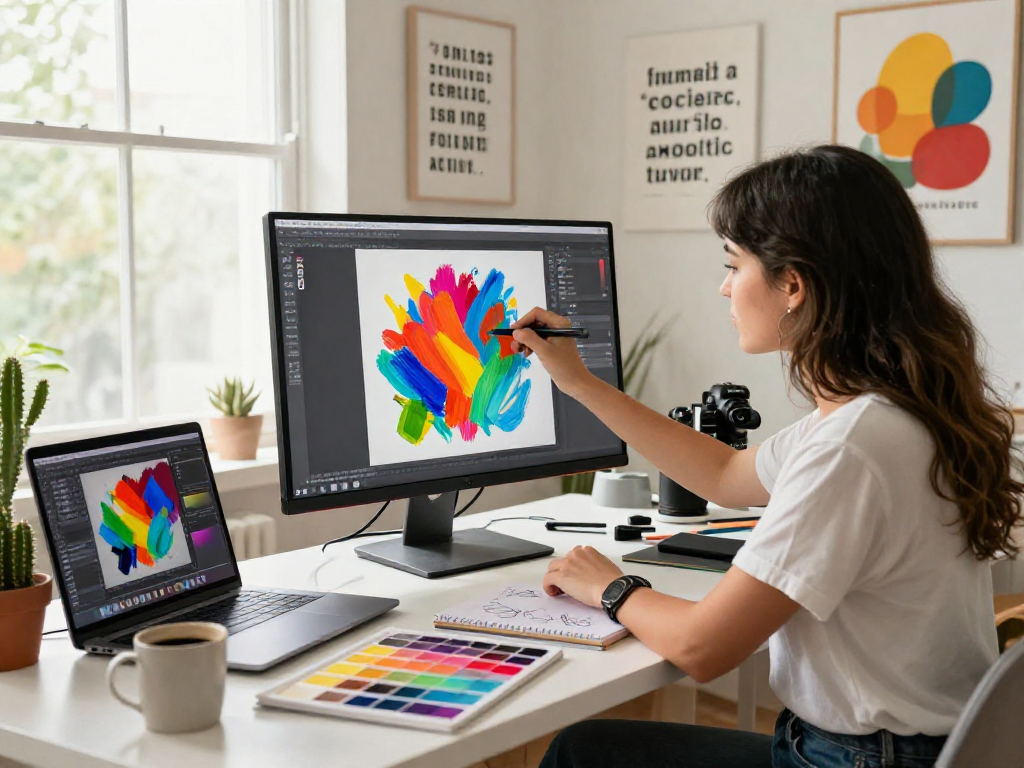
Artificial Intelligence, in its many forms, is revolutionizing how art is both created and perceived. From algorithms that generate images to machine learning models that analyze and mimic styles, AI technologies have become integral to the production of digital artwork. Artists are increasingly incorporating AI tools to enhance their creative processes, allowing for unique expressions that blend human ingenuity with computational power.
Historical Context and Evolution of Art Techniques
The evolution of art techniques is a reflection of societal changes, technological advancements, and cultural shifts. Historically, artists have utilized various tools and mediums—from charcoal and canvas to photography and digital software. The advent of AI marks a new chapter, where creativity is augmented by machines capable of learning and evolving. This progression raises questions about authorship, intention, and what it means to be a creator in the 21st century.
The Controversy Around the "ai slut" Terminology
The phrase "ai slut" is often used provocatively within the artistic community. It can refer to the notion that artists may overly rely on AI to produce their artwork, arguably diluting the concept of traditional artistry. Critics argue that this dependence on technology signifies a loss of authenticity, while proponents of AI in art emphasize that these tools are extensions of the artist's capabilities. This ongoing debate highlights the need for a cultural framework that recognizes the value of both human and machine collaboration.
Key Digital Art Techniques Enhanced by AI
Generative Art: Creating Uniqueness with Algorithms
Generative art utilizes algorithms to create pieces that are often unpredictable and unique. Artists input parameters, and the AI generates variations that can lead to surprising results. This technique challenges the idea of a singular artist's vision, offering a collaborative space for human creativity and machine computation.
AI-Powered Filters and Effects: Transforming Artistic Styles
Modern digital artists have access to a plethora of AI-powered filters and effects that can dramatically alter the aesthetic of their work. Tools like Adobe Photoshop and various mobile applications use machine learning to analyze images and apply artistic styles, effectively allowing users to transform their photographs into paintings reminiscent of famous artists.
Collaborative AI Tools: Partnering with Machines in Creativity
Collaborative AI tools are designed to assist artists in the creative process, providing suggestions, compositions, and enhancements. These partnerships can inspire artists to break out of their comfort zones and explore new avenues of expression, ultimately driving innovation in the field.
Comparative Analysis of AI Art Techniques
Exploring Popular Techniques: Pros and Cons
As artists experiment with AI technologies, several techniques have emerged as notable trends. Generative art, for instance, allows for a level of abstraction and variation that traditional methods may not offer. However, critics point out that the algorithm's influence may overshadow the artist's intent. Understanding the balance between these pros and cons is crucial for artists navigating this evolving landscape.
Case Studies: Artists Who Thrive on AI Art
Many contemporary artists have successfully integrated AI into their practice, creating unique bodies of work that challenge traditional notions of authorship. Artists like Refik Anadol and Mario Klingemann leverage machine learning algorithms to produce stunning visuals that blur the lines between human and machine-made art. Their works exemplify the diverse possibilities that AI offers.
Innovative Uses of AI in Contemporary Art
Contemporary art is increasingly incorporating AI in ways that provoke thought and inspire dialogue. Virtual galleries, interactive installations, and even NFTs (Non-Fungible Tokens) created through AI systems are reshaping how we engage with art. These innovations push the boundaries of creativity, inviting audiences to experience art in new and immersive ways.
The Future of AI in Art: Trends to Watch in 2026
Emerging Tools and Technologies for Artists
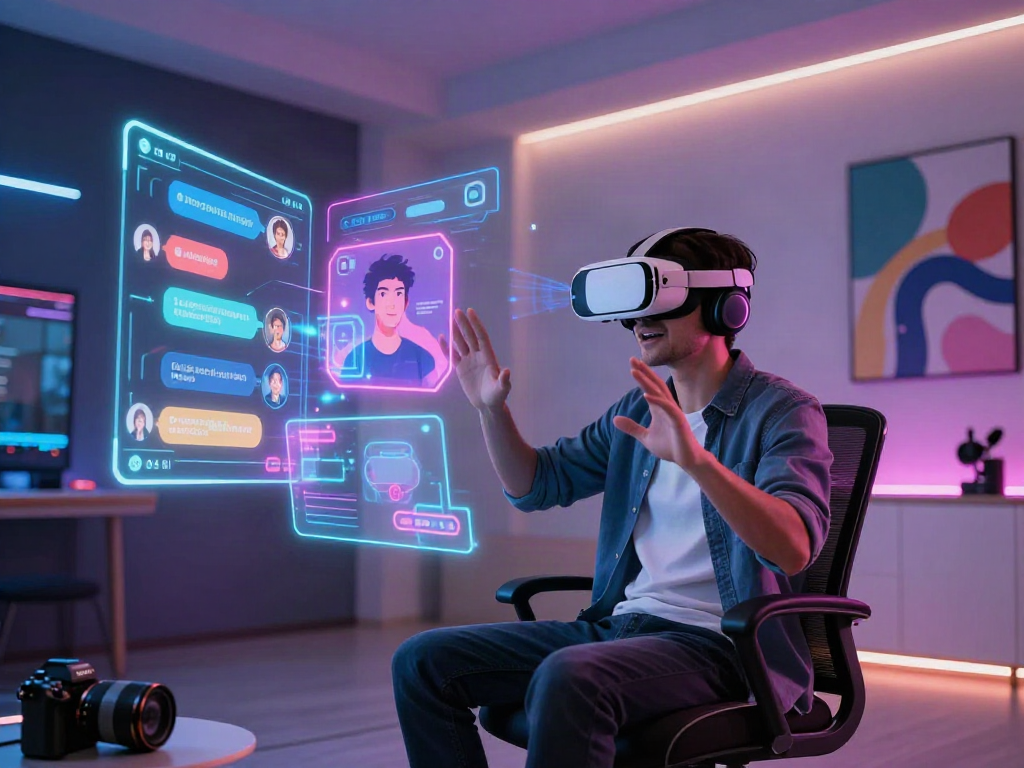
As we look ahead to 2026, several emerging tools and technologies are set to redefine the artistic landscape. Real-time AI collaboration platforms will likely become more sophisticated, enabling seamless interactions between artists and AI. Furthermore, advancements in virtual and augmented reality will offer artists new mediums for expression, expanding the boundaries of traditional art forms.
Predicted Developments in AI Art Legislation
As AI-generated art becomes more prevalent, discussions around legislation will intensify. Issues of copyright, ownership, and the rights of AI systems will become critical topics for policymakers and legal experts. Artists must stay informed about these developments to understand their rights and responsibilities in an AI-driven world.
Future Career Opportunities for Digital Artists
The integration of AI in art is creating new career opportunities for digital artists. Roles such as AI Art Curators, Creative Technologists, and Interactive Designers will increasingly be in demand as institutions and businesses seek to harness the potential of AI in artistic expressions. Artists equipped with the skills to navigate these technologies will be well-positioned for success in the evolving job market.
Engaging the Community: Discussion and Resources
Forums and Platforms for AI Art Enthusiasts
The rise of AI in art has fostered vibrant communities where enthusiasts can share their work, insights, and experiences. Online forums and platforms provide spaces for discussion, collaboration, and feedback, allowing artists to connect with one another and learn from their peers.
Workshops and Online Courses for Skill Development
As AI becomes an integral part of the artistic toolkit, workshops and online courses focusing on AI art techniques are proliferating. These educational resources equip artists with the necessary skills to effectively integrate AI into their creative processes, fostering a new generation of tech-savvy artists.
Frequently Asked Questions about "ai slut" and AI Art
What does "ai slut" mean in the context of digital art?
The term "ai slut" is often used informally to describe artists or platforms that heavily depend on AI technologies for their creative output, sparking debates about originality and authenticity.
How can AI techniques improve my digital art skills?
AI techniques can enhance digital art skills by offering new tools for creativity, providing inspiration through generative algorithms, and helping artists refine their unique style.
What are the ethical concerns surrounding AI art?
Ethical concerns include issues of copyright infringement, the potential devaluation of traditional art, and questions regarding the role of the artist when collaborating with AI systems.
Can AI replace traditional artists in the creative field?
While AI can assist and enhance the artistic process, it is unlikely to fully replace traditional artists. The human touch, emotional connection, and intent behind art remain irreplaceable elements of creativity.
What tools do I need to start exploring AI-generated art?
To begin exploring AI-generated art, artists can utilize software such as DeepArt, Artbreeder, or Runway ML, which provide user-friendly interfaces for engaging with AI technologies in creative projects.