A robotics company can start with a machine, or it can start with a task that wastes skilled human time. The second route gives an entrepreneur a clearer buyer, a testable result, and a better reason for the robot to exist.
Quick read
- Repeated work with clear steps is the best place to begin.
- A paid pilot matters more than a polished demo.
- The buyer needs a result they can measure before they need a new robot.
Start with the task, not the robot
The useful question is not which robot to build. Ask which job a company repeats often, struggles to staff, or performs in a place that is unsafe, dirty, cold, hot, or hard to reach.
That task may involve moving parts between machines, checking finished goods, reading a meter, sorting packages, or carrying supplies across a site. These jobs differ on the surface, but each can be described as a set of steps with a clear start and finish.
A good first task has four traits: the objects stay within a known range, the work area changes little, success can be measured, and a person can explain the exceptions. A robot may still need help, but the job gives you a clear boundary for the first version.
The buyer also needs a reason to act. “The robot uses computer vision” says little. “The system checks every part before it reaches packing” connects the machine to a cost, a delay, or a quality problem.
Four areas to test
Robotics entrepreneurs can test several types of work without starting with a general-purpose machine. The right choice depends on access to a site and a buyer willing to share the real process.
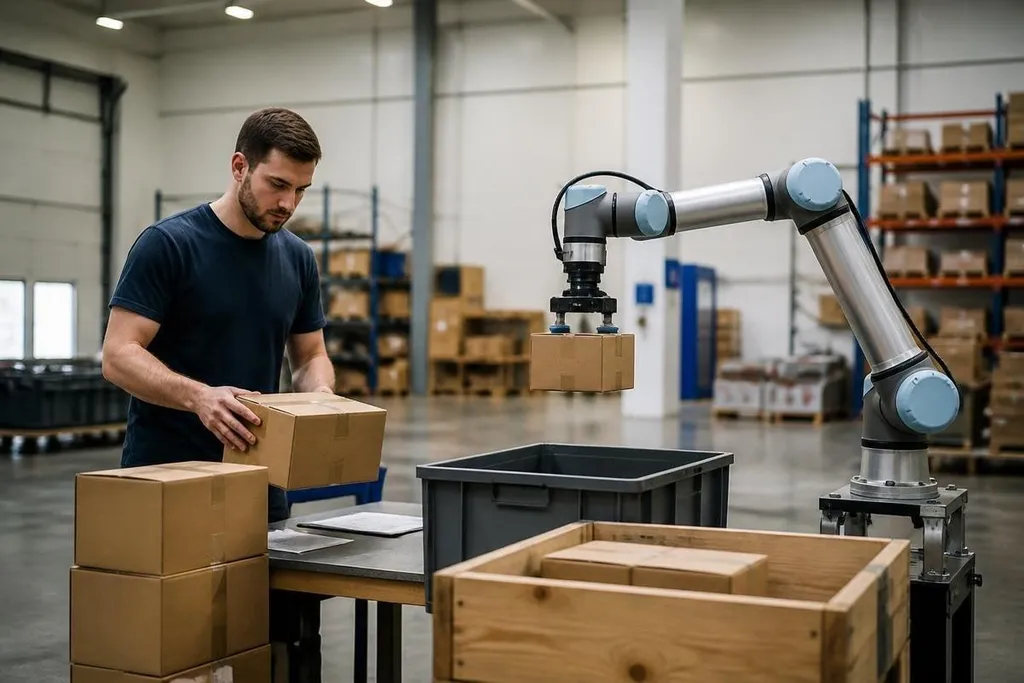
Repetitive movement is a clear starting point. Factories, warehouses, and laboratories often move items between fixed points. A mobile robot, arm, or lift system may handle one part of that route while a person manages the unusual cases.
The useful detail is the handoff. If a person still has to check every item, open every door, or clear every blockage, the system may save less time than the demo suggests.
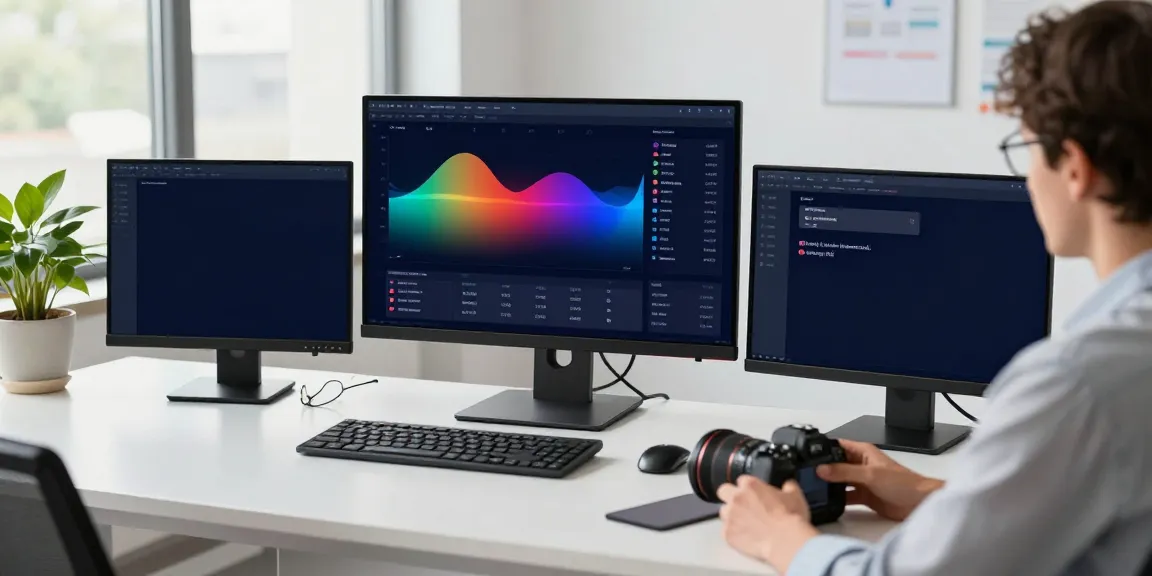
Inspection is another focused area. A camera and software can check a surface, label, weld, seal, or machine reading. The value comes from a clear rule for passing or failing an item, plus a process for human review when the image is unclear.
This area needs careful testing. Lighting, dust, reflections, and changes in product design can affect the result, so the pilot should include the conditions found on a normal workday.
Work in difficult places creates a different opening. Robots can inspect tanks, pipes, roofs, mines, or other areas that create safety or access problems. An entrepreneur still needs to show how the robot gets there, sends useful data, and returns for charging or repair.
A machine that works in a controlled demonstration may need a different body, sensor package, or drive system at the customer site. The site conditions belong in the first design review.
Service and repair support can form a business around existing hardware. Many robot buyers need help after installation, including software updates, spare parts, operator training, fault checks, and safe recovery.
This route can require less new hardware, but it still needs a narrow promise. “We support robots” is too broad. Support for one model in one type of facility gives the team a clearer start.
Prove the buyer will pay
A demonstration shows that a robot can perform a task once. A business needs to show that the task works through normal variation, that staff can run the system, and that the buyer gains enough to keep paying.
A pilot should name the work area, the operator, the robot’s job, the human handoff, and the measure used to judge the result. Pick one measure such as inspection accuracy, completed trips, reduced handling time, or fewer manual entries.
A pilot measure needs a market reference before it becomes a product plan. Robot24.com robotics reporting gives entrepreneurs named companies, machines, and research to compare with that result. The next step is pricing the work around the robot, including the support a buyer will need after the demo.
The sales conversation should also cover the parts that demos hide: installation, network access, safety checks, maintenance, training, and what happens when the robot stops.
These details often decide whether a customer can run the system every day. They also show which parts of the product need work before a wider rollout.
A build decision guide
Use this checklist before spending heavily on hardware:
- Name the buyer who owns the task and the budget.
- Record the current process from start to finish.
- Set one result that the pilot must show.
- List the cases that need a person to take over.
- Price installation, service, training, and replacement parts.
- Write down the claim that remains unproven after the pilot.
The last point matters because a robot can pass a demo and still fail as a product. I’d start with the task that has the clearest measure, the smallest safe test area, and a buyer who will pay for the trial.
That approach leaves room to change the hardware after the work is understood. For an entrepreneur, the next useful step is a site visit, a written task map, and a customer willing to test one defined job.